THE KING ÆTHELSTAN SCULPTURE PROJECT
KING ÆTHELSTAN – The First King of all England
Fundraising for a sculpture of King Æthelstan in Kingston upon Thames
The purpose of the statue is to:
- Commemorate the crowning in 925 of the first King of all England, here in the Market place of Kingston upon Thames
- Elevate Kingston’s position to the forefront in diversity, history, culture and tourism
- Provide opportunities for youth development and employment
“Sculpture is all about inspiration and should speak to the heart, create a reaction, make people think. This sculpture of King Æthelstan does just that.
Fundraising for an Æthelstan Statue in Kingston upon Thames
We are raising the necessary funds for the Æthelstan statue to create a long lasting unique sculpture of the first King of all England to be placed near to where he was crowned in Kingston upon Thames in the year 925.
King Æthelstan’s importance in British history has long been neglected, and this inspirational sculpture will rectify that, as well as enhance Kingston’s national status, encouraging tourism and art lovers alike.

HOW IT WORKS
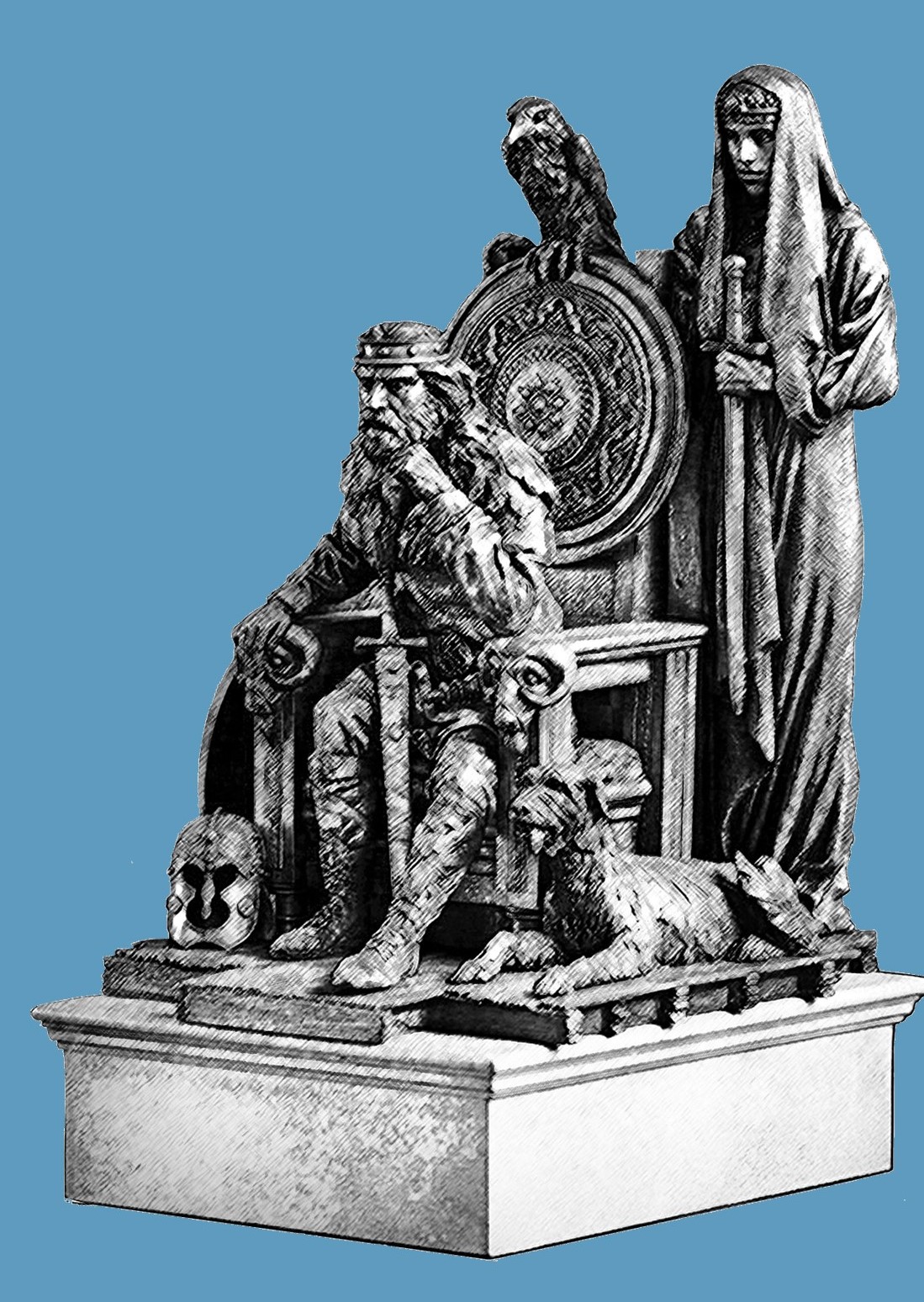
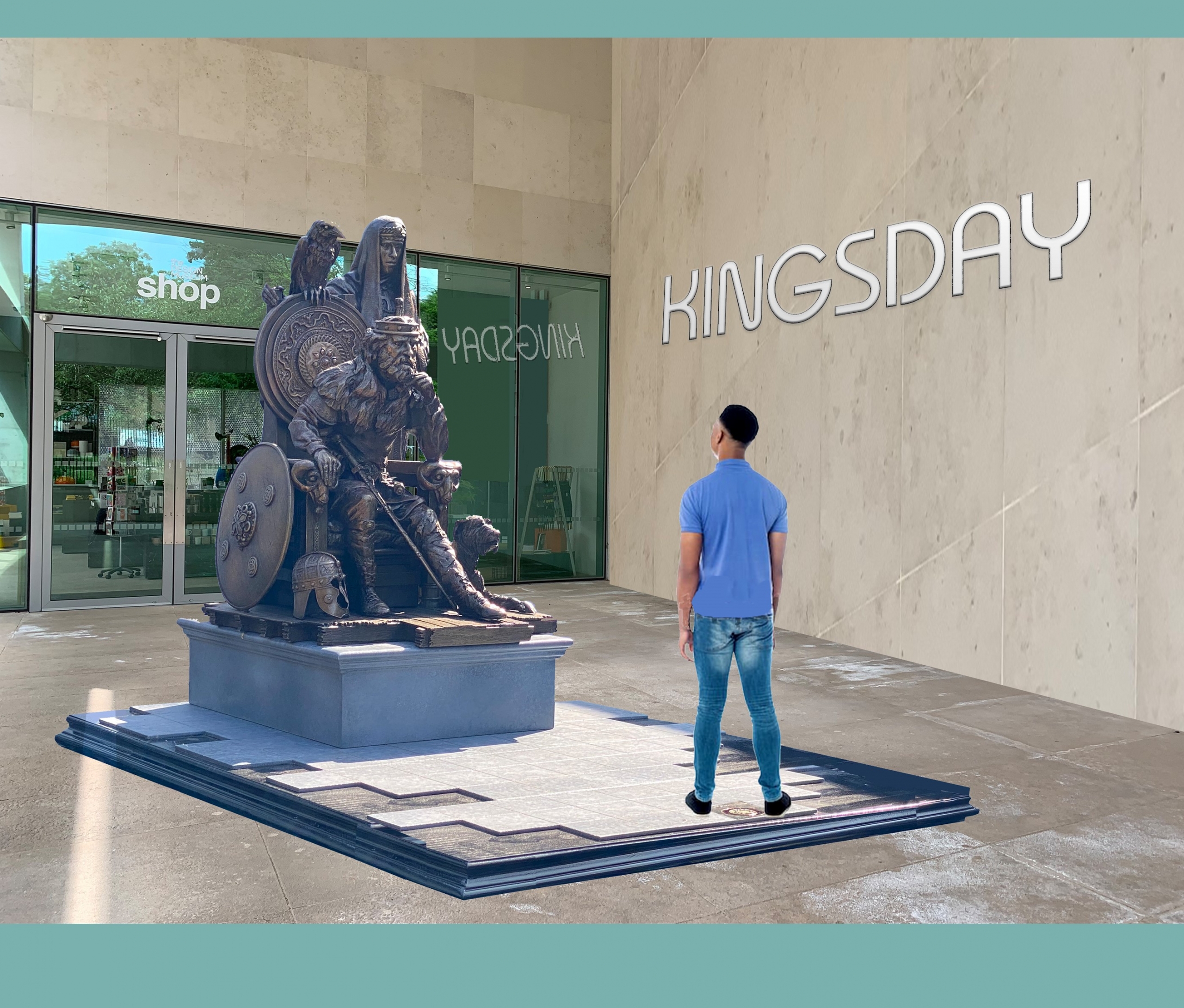
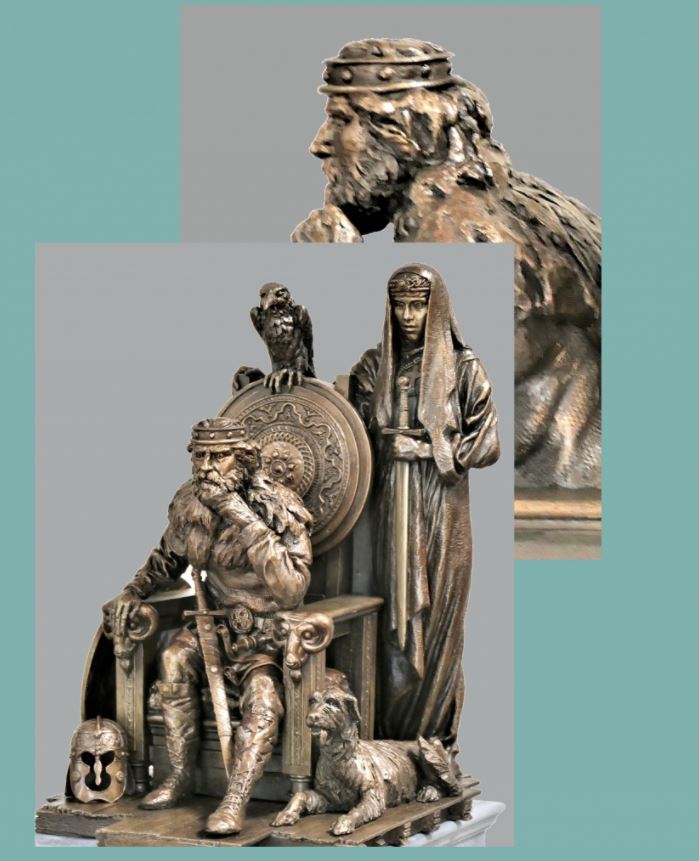
Unique in design, this sculpture will be a world first, and if you stand on a replica coin set in front of the statue, the eyes of Æthelstan, Æthelflaed his aunt, Odin’s raven, Muninn, and his faithful hound, Ægir, will all be focused on you.
With the correct publicity, we believe that this unique feature will encourage people from all over the world to travel to Kingston to participate in this interaction – as they do to see the Mona Lisa’s eyes follow them around in Leonardo da Vinci’s famous painting in the Louvre.
INITIAL CONCEPT DESIGN
Sculptor Andrew Sinclair says of this sculpture…
“My motivation as a sculptor is to create a stunning piece that not only fulfils the vision of those who commissioned it, but one that will be a ground-breaking work of art, worthy of world-wide acclaim.
The sculpture will be cast in beautifully patinated bronze – King Æthelstan and Æthelflæd are life-size figures. The hound and raven are also life size. The sculpture will sit on a stone plinth of grey granite.
THE DESIGN
Click on video to play…
THE ÆTHELSTAN SCULPTURE
The intention of art is to inspire the viewer. But to achieve this, the viewer must engage with the art. And that takes time and effort and focus from the viewer.
In general, the complexities of everyday life don’t allow for that, and to make the point, the average viewing time for a museum work of art is 2 seconds.
NOT SO BRIEF ENCOUNTER – Why this sculpture is different.
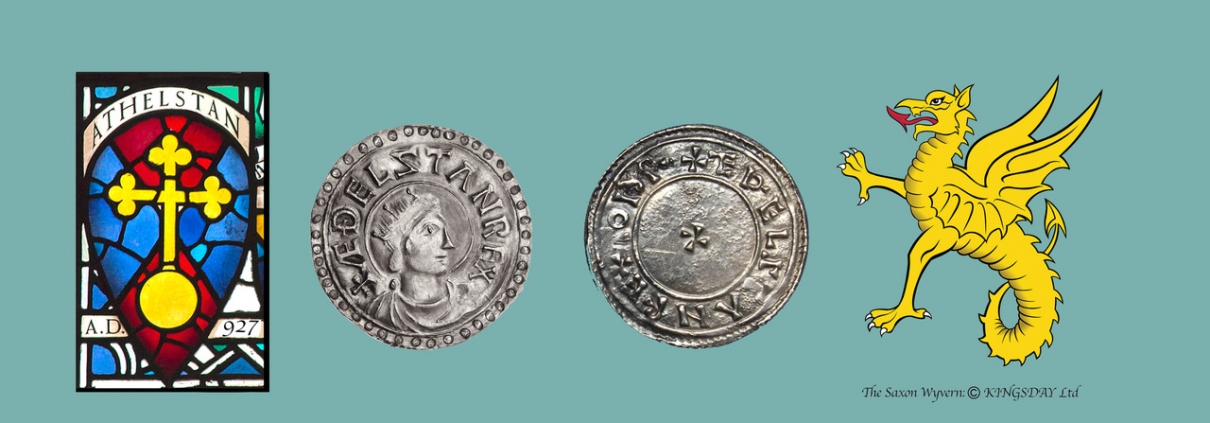
It works like this: As the viewer approaches the sculpture, he or she is directed to stand on a spot marked by a bronze replica of a coin of Æthelstan’s reign, set in the ground in front of the sculpture.
As the eyes of the viewer travel upwards, they engage with the eyes of the 4 characters in the sculpture, and a powerful and exhilarating interaction takes place as all four characters return the gaze.

And when the viewer looks directly into the eyes of Æthelstan, he or she will actually feel the presence of a king, as he yields his meaning and exerts his power – the power of a man who as the first king of all England, sowed the seeds of what England was to become over the following centuries.
THE ÆTHELSTAN SCULPTURE
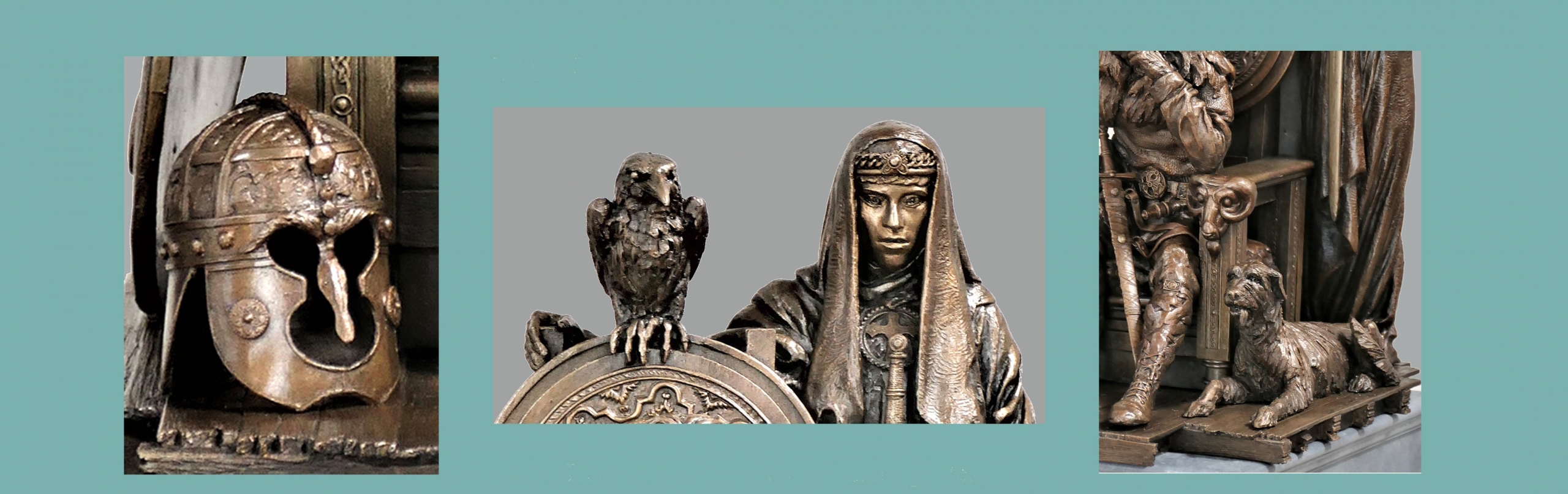
Behind Æthelstan sits Muninn, the Norse god Odin’s raven, mythical in culture, but physical in this work of art, encouraging the mind to question his presence. Next to Muninn is the ‘spirit’ of Æthelflæd – warrior queen of Mercia in the preceding years, daughter of King Alfred, and aunt to Æthelstan.
(We say spirit because at the time of Æthelstan’s reign, Æthelflæd was no longer alive. But coupled with the mythology of the Norse gods, and Odin’s raven, the influence of Æthelflæd was an integral part in the development of Æthelstan, as it was she who brought him up and taught him the art of warfare and kingsmanship.)
A brief walk around the sculpture, past Æthelstan’s battle helmet and shield, will bring the viewer to the three figurative plaques set in the back of the throne, each one revealing an important phase in the life of Æthelstan.
And further round beside the throne, Ægir, Æthelstan’s faithful hound, so realistic in creation that the viewer will want to whistle for him to follow them home, lies with panting tongue, contributing to the story.
The definition of great art is that it changes us. In its interaction with the viewer, this sculpture will cause the viewer to enquire about the relevance of the characters, examine its creation and learn about its history, and then tell their friends about their discovery.
It will encourage education and knowledge, which will inspire tourism, commerce and diversity – thus placing Kingston on Thames firmly in the history books and tourist maps, as an extremely important place to visit in modern day England.
“The power of those four sets of eyes will send tingles down the spine.”
Andrew Sinclair MRSS SWAc
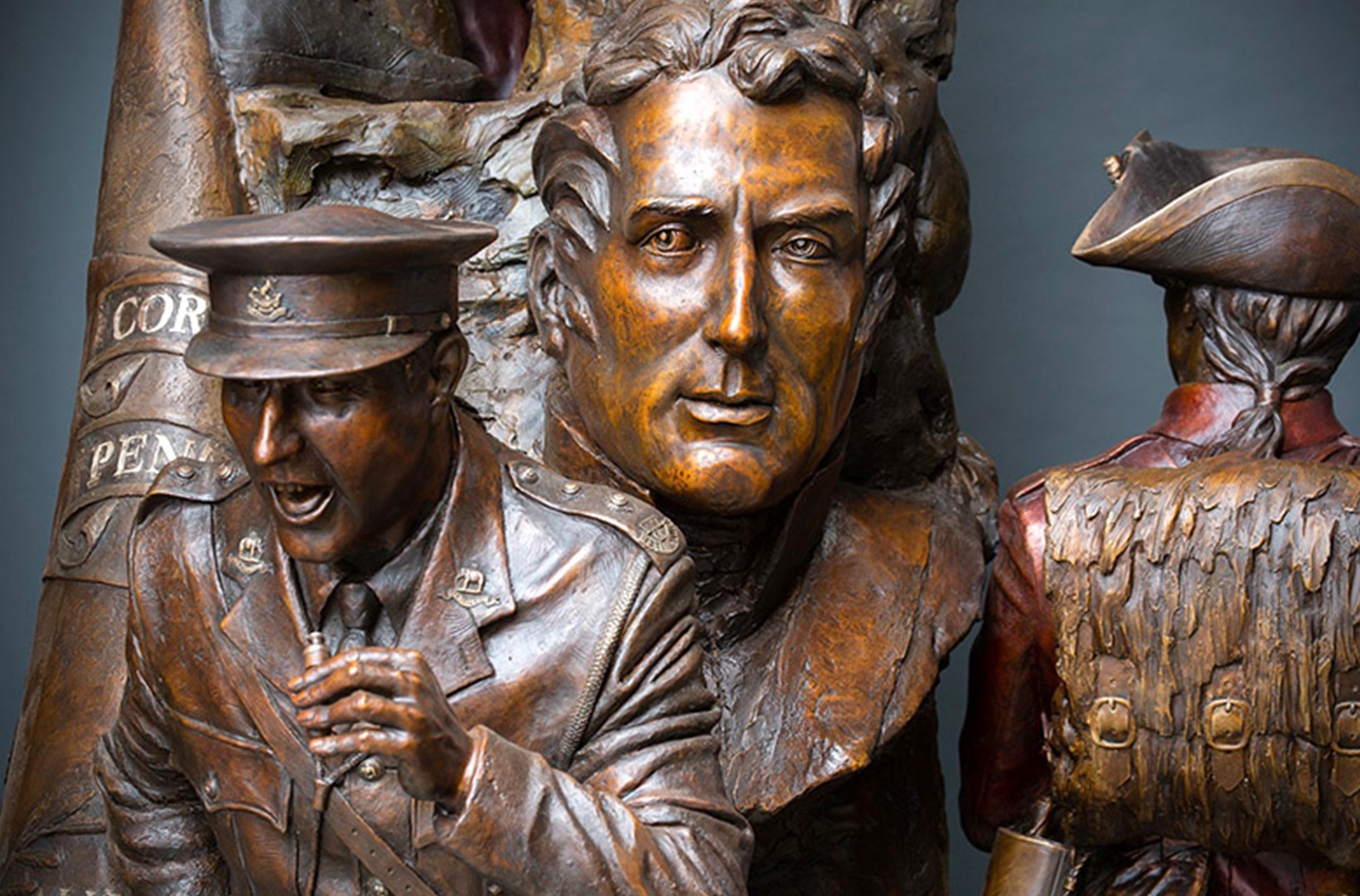
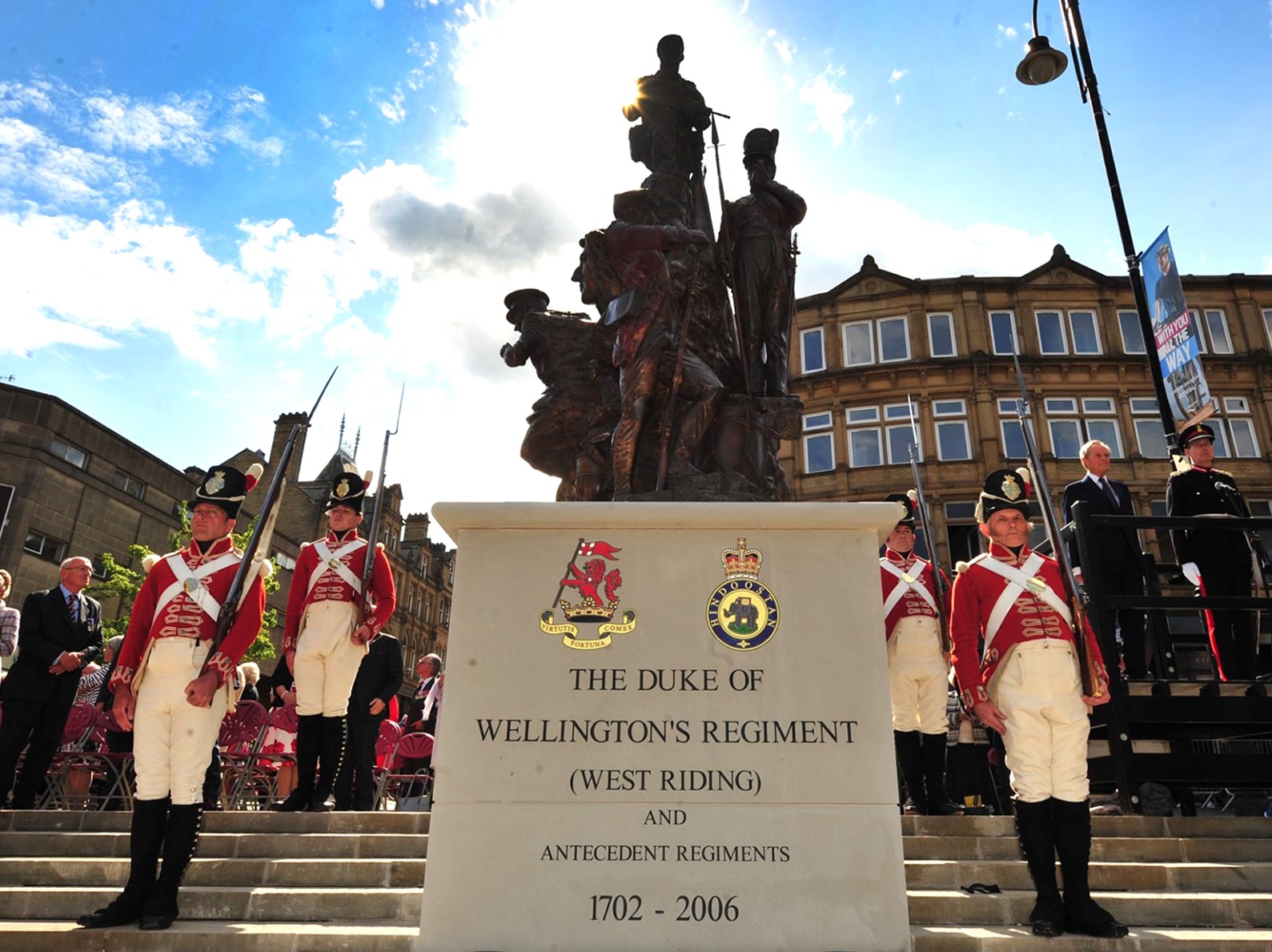
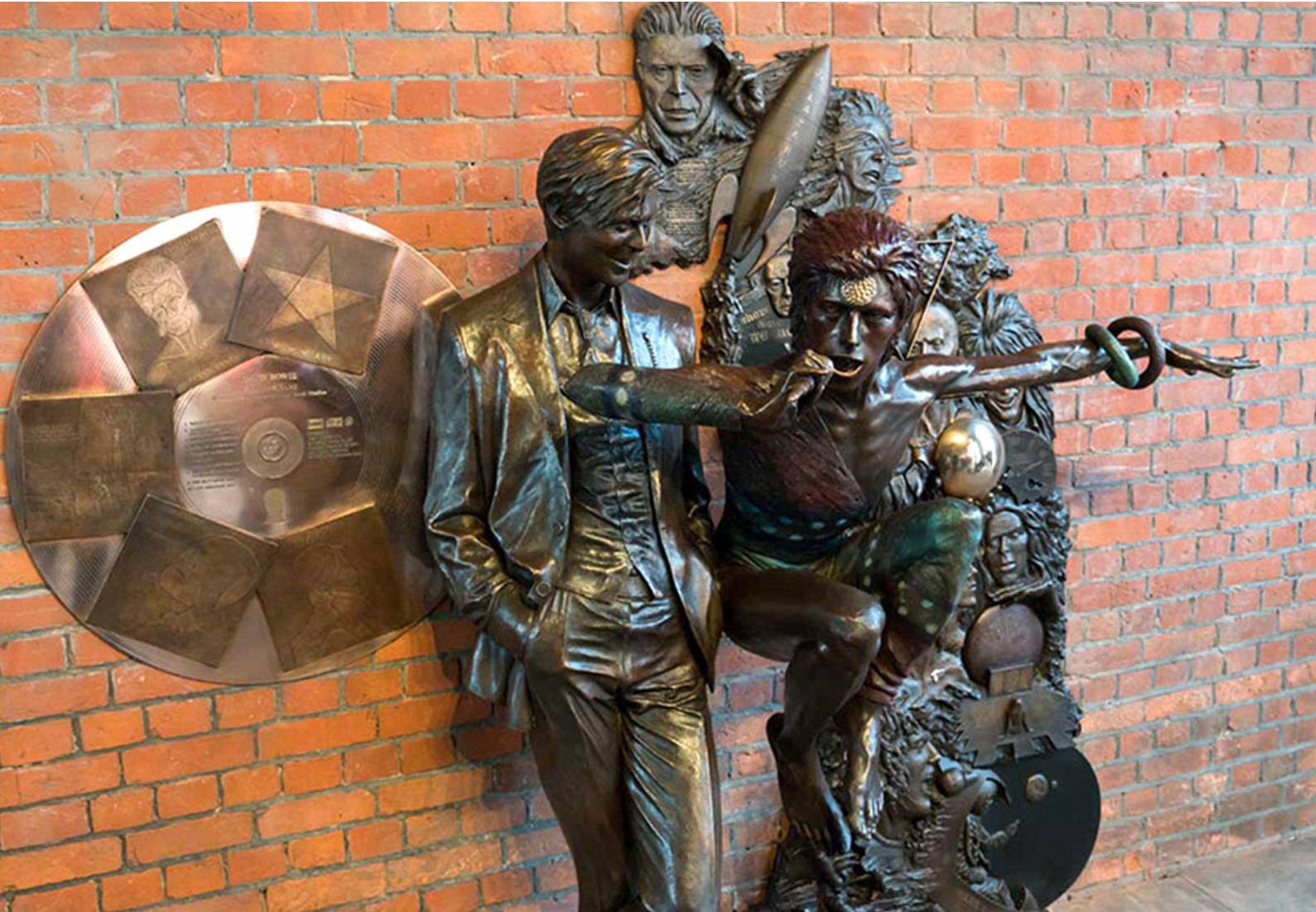
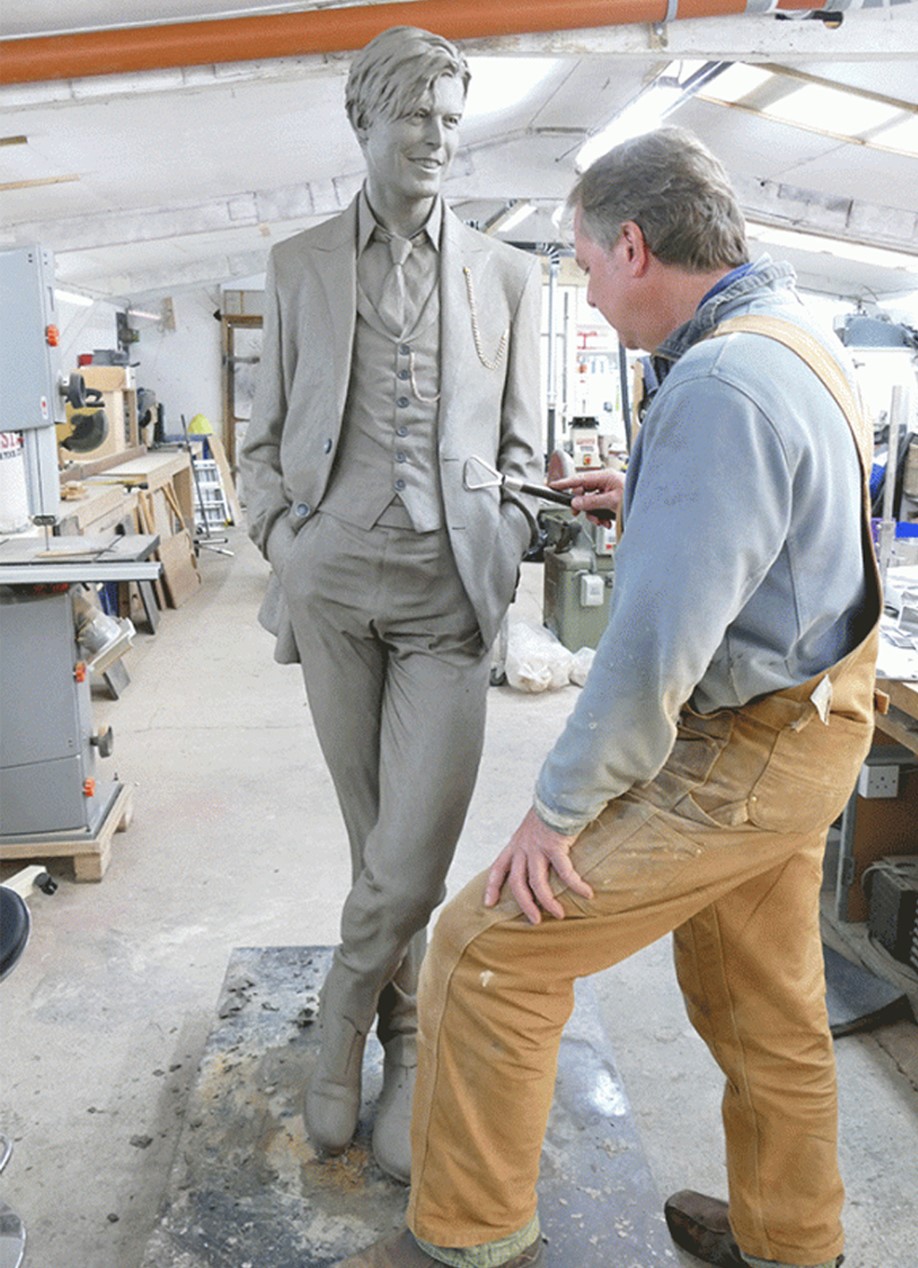
Andrew Sinclair is recognized as a master of world-class figurative sculpture. His superb sense of design and composition is renowned and his sculptures are unique in their highly skilled attention to detail.
This aspect of his work makes them resonate with life, adding a quality of realism rarely seen in contemporary sculpture today.
And this can be seen in his work of David Bowie.
THE IMPORTANCE OF KING ÆTHELSTAN
King Æthelstan – Grandson of Alfred the Great. Born 894 – Died 939 Aged 45.
‘Æthelstan was a powerful warrior king described at the time as ‘God’s Warrior’ who was set over the English to lead His people, supported by God to victory in war and peace.’
When Æthelstan’s father, Edward the Elder died, Æthelstan was crowned king of Wessex and Mercia. The ceremony took place on September the 5th, 925 in the Market Place of Kingston upon Thames.
That crowning ceremony on the Coronation Stone lays the foundation for the claim that ‘Kingston is where England begun’.
Æthelstan was the first southern king to exercise real control over the East Midlands, East Anglia and the North, and it was around this time that the title ‘king of the English’ (rex Anglorum) was first used.
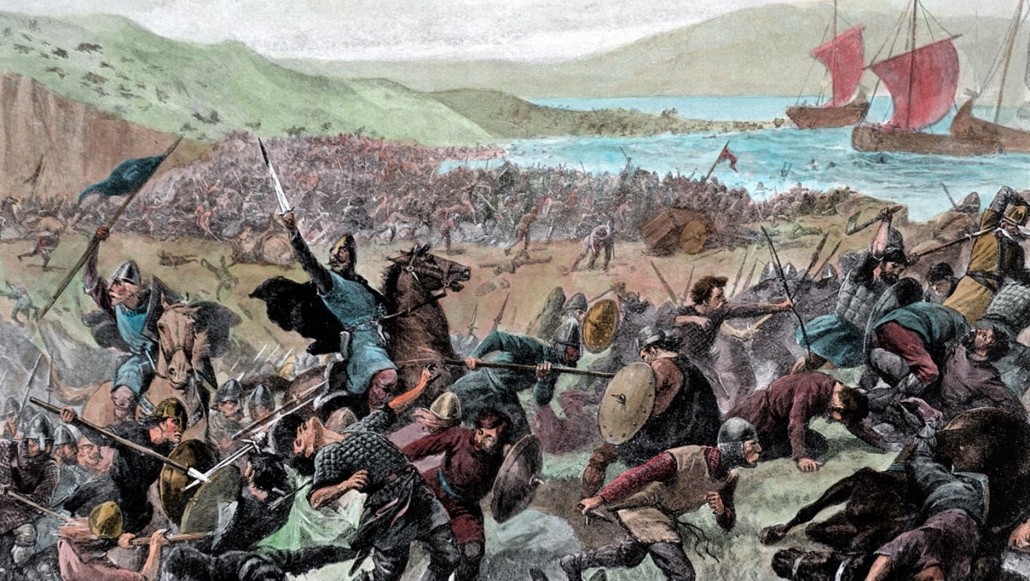
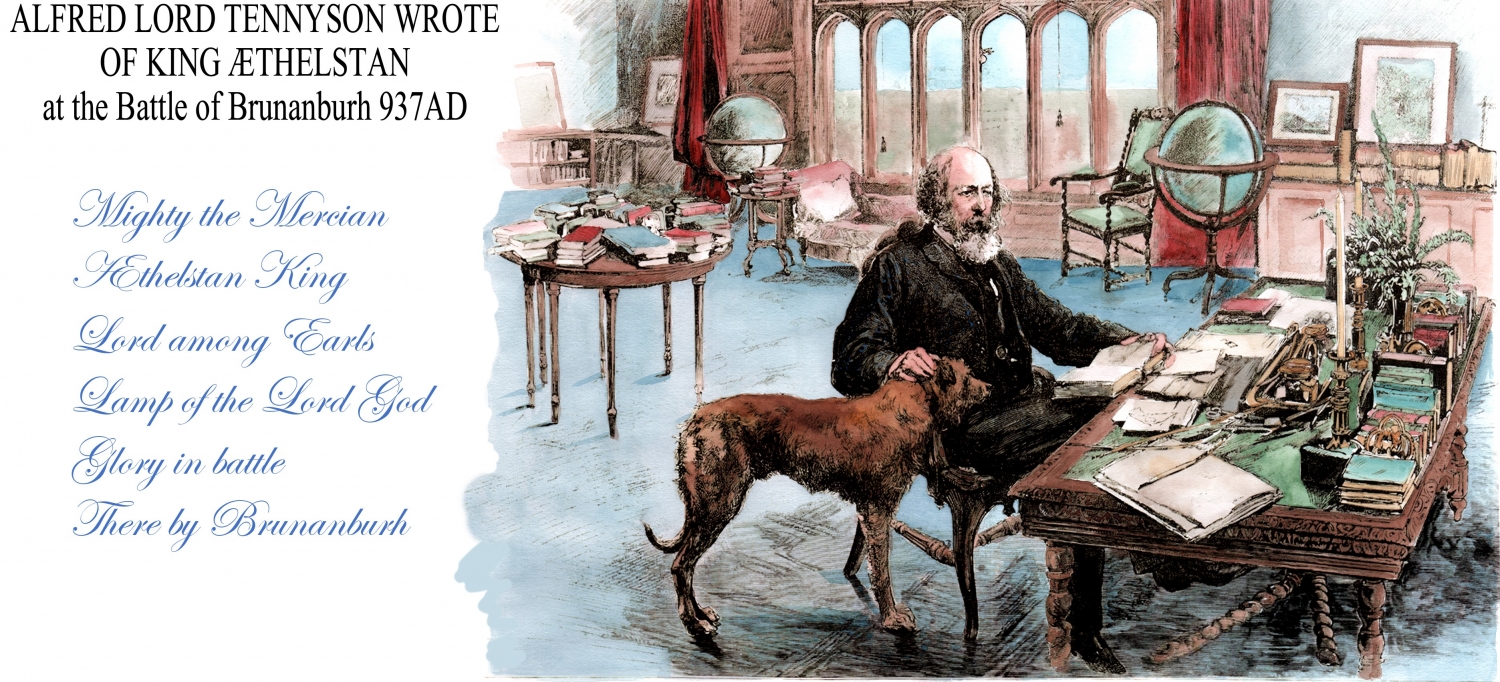
At the Battle of Brananburh in 937, Æthelstan’s army routed the combined forces of the invading Scots led by King Constantine II, King Olaf of Ireland, and a thousand Viking mercenaries, leaving five warrior kings and seven earls dead on the battlefield.
Æthelstan’s achievements as king were extraordinary. He oversaw the translation of the bible into English. He established a formal organization for masons which led to Freemasonry in England. He granted many charters (think of Presidential Executive Orders) which enabled towns and boroughs to trade effectively.
Some of these charters discouraged fraud and laid the foundation of a rural economy based on the market town. They are also notable in containing provisions intended to comfort the destitute and mitigate the punishment of young offenders.
In fact, one of his early codes entailed the release of penal slaves on an annual basis.
Although keen to promote commerce, he banned Sunday trading. He reformed the currency which had become badly debased, and Æthelstan’s head would be seen on silver pennies cast at the many mints around the country.
In spite of his prowess on the field of battle, Æthelstan was one of the most pious West Saxon kings, and was known for collecting relics and founding churches.
His household was the centre of English learning during his reign, and it laid the foundation for the Benedictine monastic reform later in the century.
Æthelstan’s government reforms turned England into something approaching a modern nation-state rather than a collection of squabbling kingdoms.
In addition, we have more legal documents dating from Æthelstan’s reign than of any other pre-Norman King.
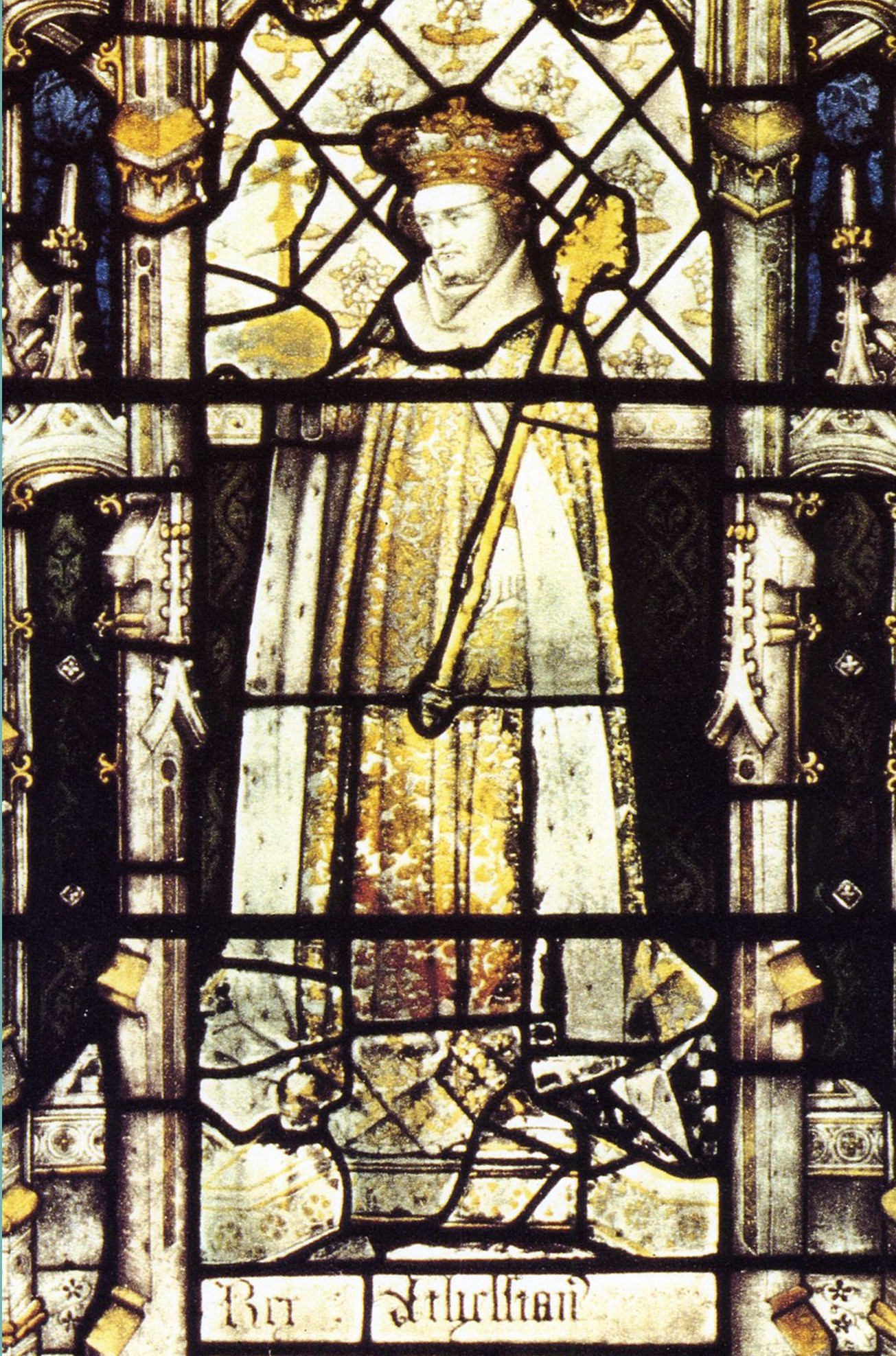
Indeed, Shakespeare might very well have written – Cry “God for Æthelstan, England and Saint George.”
CONTACT DETAILS FOR MORE INFORMATION
TRUSTEES
Executive Fund Raiser:
T.B.A
Chairman:
Alan Birkinshaw
Committee:
Andrew Sinclair
Diane Sinclair
CREDITS
Photos and video of the maquette:
Dave Keightley:
Howaboutdave.com
Tel: 0778 529 8354
Web Design and Development: KT Digital